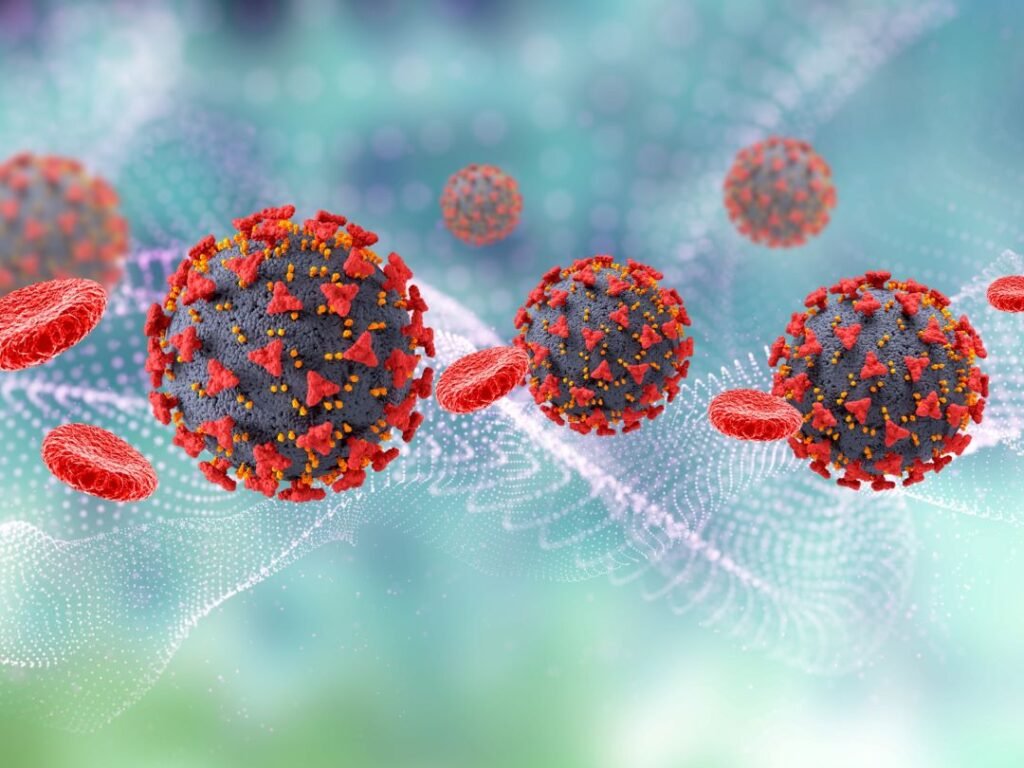
For most people, COVID-19 is a self-limiting illness that resolves within two to three weeks. However, a significant number of patients — particularly those who experienced moderate to severe disease — face an elevated risk of secondary infections in the weeks and months that follow. This phenomenon of post-COVID immune vulnerability in Southwest Florida is not widely discussed but has real consequences for patient health.
At Florida Infectious Disease Care in Fort Myers, our board-certified specialists have evaluated many patients who developed bacterial, fungal, or other viral infections following COVID-19 illness. Understanding this risk — and knowing when to seek evaluation — is an important part of complete COVID-19 recovery.
How COVID-19 Affects the Immune System
COVID-19 is far more than a respiratory illness. The SARS-CoV-2 virus directly infects immune cells including macrophages, dendritic cells, and lymphocytes, disrupting the coordinated immune response in ways that persist beyond the acute phase of illness. Several mechanisms contribute to post-COVID immune vulnerability:
Lymphopenia
COVID-19 frequently causes a significant drop in lymphocyte counts — a condition called lymphopenia. Lymphocytes are critical immune cells that coordinate both the identification and elimination of pathogens. Reduced lymphocyte counts leave patients temporarily more susceptible to bacterial, fungal, and viral infections that a healthy immune system would normally control.
Immune Dysregulation
The intense inflammatory response triggered by severe COVID-19 — sometimes called a cytokine storm — can exhaust and dysregulate immune cell populations. This leaves the immune system in a state of dysfunction that may persist for weeks after the acute illness resolves, creating a window of heightened infection susceptibility.
Corticosteroid Treatment
Dexamethasone and other corticosteroids are standard treatments for moderate to severe COVID-19 and have saved many lives. However, corticosteroids are immunosuppressive by mechanism. Their use, while necessary, contributes to an increased risk of secondary infections — particularly fungal infections — in the post-COVID period.
Secondary Bacterial Infections After COVID-19
Bacterial pneumonia is among the most common serious secondary infections following COVID-19. The damage COVID-19 causes to the respiratory epithelium creates an ideal environment for bacterial colonization. Streptococcus pneumoniae, Staphylococcus aureus (including MRSA), and gram-negative bacteria such as Klebsiella pneumoniae are among the most frequently identified post-COVID bacterial pathogens.
Patients who were treated in an ICU setting during COVID-19 face particularly high risk of healthcare-associated secondary infections, including those caused by highly resistant organisms such as carbapenem-resistant Enterobacterales (CRE) and Acinetobacter baumannii.
Fungal Infections After COVID-19
One of the most alarming findings from the global COVID-19 experience was a significant increase in serious fungal infections among hospitalized patients. Two conditions in particular have been documented:
COVID-Associated Pulmonary Aspergillosis (CAPA)
Aspergillus species are environmental molds that can cause serious lung infection in immunocompromised patients. COVID-19 damages the respiratory mucosa and impairs local immune defenses in a way that increases susceptibility to Aspergillus infection. CAPA presents with worsening respiratory symptoms, new radiographic abnormalities, and Aspergillus detected in respiratory specimens. It requires specific antifungal therapy — standard antibiotics have no effect.
Mucormycosis
Mucormycosis — caused by molds in the order Mucorales — was reported in alarming numbers among COVID-19 patients in several countries, particularly in the context of diabetes and corticosteroid use. In the United States, cases were less frequent but have been reported. Mucormycosis is a rapidly invasive infection affecting the sinuses, lungs, or skin and carries high mortality without early aggressive treatment.
Long COVID and Recurring Infections
Patients experiencing Long COVID — the persistence of symptoms beyond four weeks after acute COVID-19 — may also experience increased susceptibility to routine infections during their recovery period. Respiratory infections, urinary tract infections, and skin infections have all been reported at higher frequency in Long COVID patients, possibly related to ongoing immune dysfunction.
If you are experiencing recurrent infections following COVID-19 illness and have not previously been evaluated by an infectious disease specialist, our general infectious disease team can assess your immune function and investigate whether an underlying immune deficit is contributing to your susceptibility.
When to Seek Post-COVID Infection Evaluation in Fort Myers
You should contact Florida Infectious Disease Care if, following a COVID-19 illness, you experience:
- A new fever developing after you appeared to have recovered
- Worsening or new respiratory symptoms — cough, shortness of breath, or chest pain — after initially improving
- A skin infection or wound that is not responding to initial treatment
- Symptoms of a urinary tract infection that is not clearing with standard antibiotics
- Sinus pain or pressure with fever that is not improving with nasal rinses or over-the-counter treatment
- Any unexplained new infection if you are immunocompromised, diabetic, or were treated with corticosteroids during your COVID illness
Secondary infections following COVID-19 can be caused by unusual or resistant organisms that require specialist-level evaluation and treatment to identify and manage correctly.
Prevention Strategies During COVID-19 Recovery
While not all post-COVID infections can be prevented, certain measures reduce risk during the recovery window:
- Stay up to date with vaccinations — pneumococcal, influenza, and shingles vaccines are particularly relevant during immune recovery
- Avoid unnecessary antibiotic use, which increases resistance risk without providing benefit against viral infection
- Monitor wounds and surgical sites carefully — impaired healing is a recognized post-COVID phenomenon
- Maintain good blood glucose control if diabetic — hyperglycemia compounds COVID-associated immune dysfunction
- Rest and allow adequate recovery time before returning to high-risk activities or crowded environments
Frequently Asked Questions
Q: How long does COVID-19 immune suppression last?
The duration of post-COVID immune vulnerability varies based on the severity of the initial illness and individual patient factors. For most patients with mild to moderate COVID-19, immune function returns toward baseline within four to eight weeks. Patients who required hospitalization or ICU care may experience a longer period of immune dysregulation. Your infectious disease specialist can assess immune function through laboratory testing if recurrent infections suggest ongoing vulnerability.
Q: Is aspergillosis contagious — can I spread it to family members?
No. Aspergillus is an environmental mold present in soil, compost, and decaying plant material. It is not transmitted from person to person. Family members of a patient with aspergillosis are not at risk from the patient — their own risk depends entirely on their own immune status and environmental Aspergillus exposure.
Q: Can COVID-19 reactivate old infections like tuberculosis or herpes?
Yes. COVID-19-associated immune suppression can reactivate latent infections. Herpes zoster (shingles) — a reactivation of the chickenpox virus — has been documented at higher rates in COVID-19 patients and survivors. Reactivation of latent tuberculosis, though less well-documented in the post-COVID context, is a theoretical concern in patients with significant immune dysfunction. Any new rash, nerve pain, or constitutional symptoms following COVID-19 warrants medical evaluation.
Q: If I had severe COVID-19, should I have my immune system tested afterward?
If you experienced severe COVID-19 requiring hospitalization — particularly with steroid treatment — and have subsequently had recurrent or unusual infections, immune function testing is a reasonable consideration. This may include lymphocyte subset counts, immunoglobulin levels, and complement function. Our infectious disease specialists can determine which tests are most relevant based on your clinical history and pattern of infections.
Ready to Take the Next Step?
At Florida Infectious Disease Care in Fort Myers, our board-certified infectious disease specialists provide expert, compassionate, and completely confidential care for every patient. Call us at 239-245-8223 or visit us at 14192 Metropolis Ave, Fort Myers, FL 33912.
Book your appointment online at floridaidcare.com/make-an-appointment or find us on Google Maps. You deserve expert infectious disease care — and we are here when you need us.
