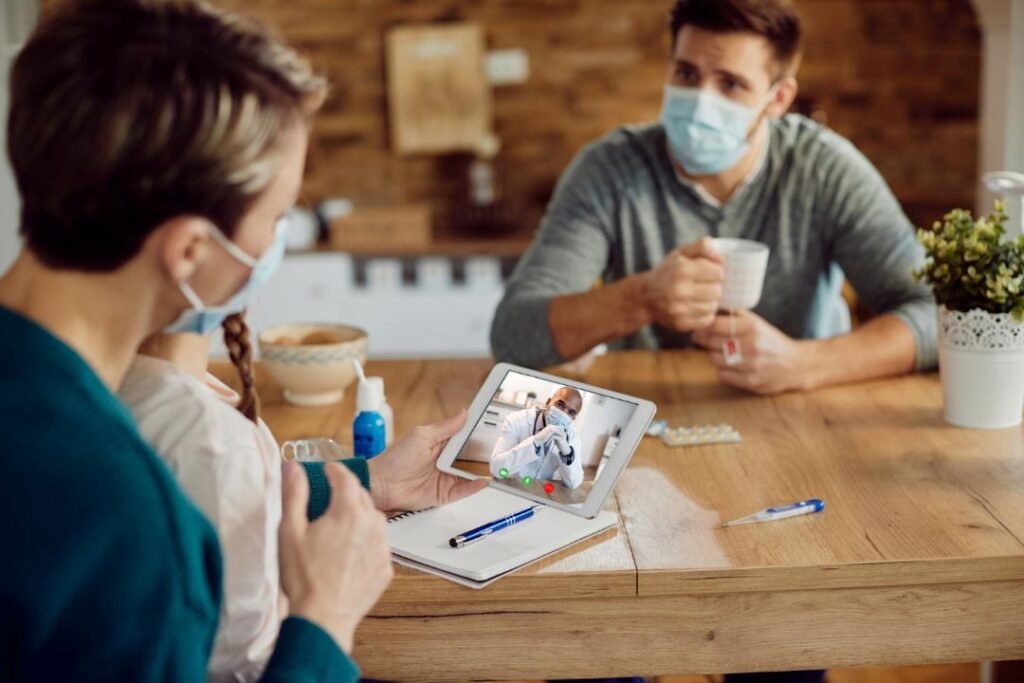
Modern infectious disease care has evolved far beyond one-size-fits-all approaches. With new pathogens emerging, treatment resistance increasing, and patient needs becoming more complex, the value of a personalized treatment plan is greater than ever. Tailored care allows specialists to address the unique health profile, risk factors, and infection severity of each patient, helping them achieve more effective and faster recovery.
For patients across Florida, especially those managing chronic or recurring infections, personalized care is key to achieving long-term health stability and preventing complications.
What Is a Personalized Treatment Plan?
A personalized treatment plan is a medical approach built specifically around a patient’s individual needs. Instead of relying on a standard protocol, infectious disease specialists analyze multiple factors, including medical history, immune function, lifestyle, test results, exposure risks, and current symptoms.
This approach is especially important when dealing with infections that behave differently from person to person. A strategy that works for one patient may be ineffective for another, making individualized evaluation critical for proper care.
Why Individualized Care Makes a Difference in Infectious Disease Management
Infectious diseases can progress rapidly, vary in severity, and impact individuals based on their immune health. Because of these variables, the benefits of tailored strategies become especially clear.
More Accurate Diagnosis
Personalized plans begin with targeted diagnostic tests to identify the exact infection, its stage, and any complications. By understanding the full picture, specialists can avoid misdiagnosis and unnecessary treatments.
Better Medication Effectiveness
Not all patients respond the same way to antibiotics, antivirals, or antifungals. A personalized treatment plan considers allergies, past medication responses, organ function, and potential resistance patterns to ensure medications work effectively.
Reduced Risk of Complications
By monitoring a patient’s progress and adjusting medications or therapies in real time, personalized plans greatly reduce the chances of long-term organ damage, severe symptoms, or hospitalization.
Support for Chronic and Complex Infections
Conditions such as HIV, Hepatitis B and C, MRSA, and recurrent UTIs or skin infections require careful long-term management. Personalized care helps specialists create strategies that address underlying causes, prevent flare-ups, and improve quality of life.
Advanced Diagnostics Make Personalization Possible
Modern infectious disease care relies heavily on advanced diagnostic tools, allowing physicians to gather detailed data for better treatment decisions. Molecular testing, genetic sequencing, viral load analysis, and antimicrobial resistance screening help specialists understand the infection on a deeper level.
Access to advanced diagnostics also allows providers to detect infections earlier—before symptoms become severe or irreversible damage occurs.
Personalized Treatment for HIV, Hepatitis, and Chronic Conditions
Long-term infectious diseases require continuous monitoring and adjustment. HIV patients, for instance, often need ongoing medication management and routine monitoring to ensure their viral load remains suppressed. Those seeking preventive medication can also benefit from a personalized approach. Patients interested in HIV prevention strategies can learn more about services like PrEP and PEP by visiting the Florida ID Care website.
For chronic hepatitis, a tailored treatment plan can include antiviral therapy, lifestyle guidance, and liver function monitoring to prevent disease progression.
By customizing treatment to each patient’s specific needs, outcomes improve significantly.
Preventing Drug Resistance Through Personalized Care
One of the biggest challenges in infectious disease treatment is the rise of drug-resistant infections. Personalized plans minimize unnecessary antibiotic use, ensure medication is properly matched to the infection, and reduce the likelihood of treatment failure.
When medications are chosen based on precise diagnostic results, the risk of drug resistance drops dramatically.
The Role of Ongoing Follow-Up in Personalized Plans
In infectious disease care, follow-up is just as important as the initial treatment. A personalized plan ensures that follow-up visits are based on patient-specific needs rather than generic timelines.
This allows the specialist to:
- Monitor treatment success
- Identify side effects early
- Adjust medications as needed
- Ensure long-term stability
- Reduce recurrence of infection
Patients who receive tailored follow-up care typically recover faster and maintain better long-term health.
Why Florida Patients Benefit from Personalized Infectious Disease Care
Florida’s high humidity, warm climate, and year-round travel activity contribute to higher exposure risks for certain infections. Because of this, patients often require more frequent screening, preventive planning, and individualized treatment adjustments.
Whether a patient is dealing with a new infection or managing a chronic condition, the tailored approach used by Florida ID Care ensures they receive the most effective care possible.
Those looking for a trusted provider can find the clinic on Google Maps through this link.
Choosing Personalized Care Leads to Better Outcomes
Personalized treatment plans help ensure that each patient receives the right therapy at the right time. By combining advanced diagnostics, tailored medication strategies, and ongoing monitoring, infectious disease specialists provide patients with safer, more effective, and more efficient care.
As modern medicine continues to evolve, personalizing care will remain at the forefront of infectious disease treatment—helping patients today and protecting communities for the future.