HIV/AIDS & PEP/PrEP (Pre-Exposure Prophylaxis)
PrEP ( Pre-Exposure Prophylaxis ) is a comprehensive HIV prevention strategy that involves the daily use of antiretroviral medications to reduce the risk of HIV infection in HIV-negative individuals.
PrEP should be used in conjunction with other prevention methods to reduce the risk of sexually transmitted infection.
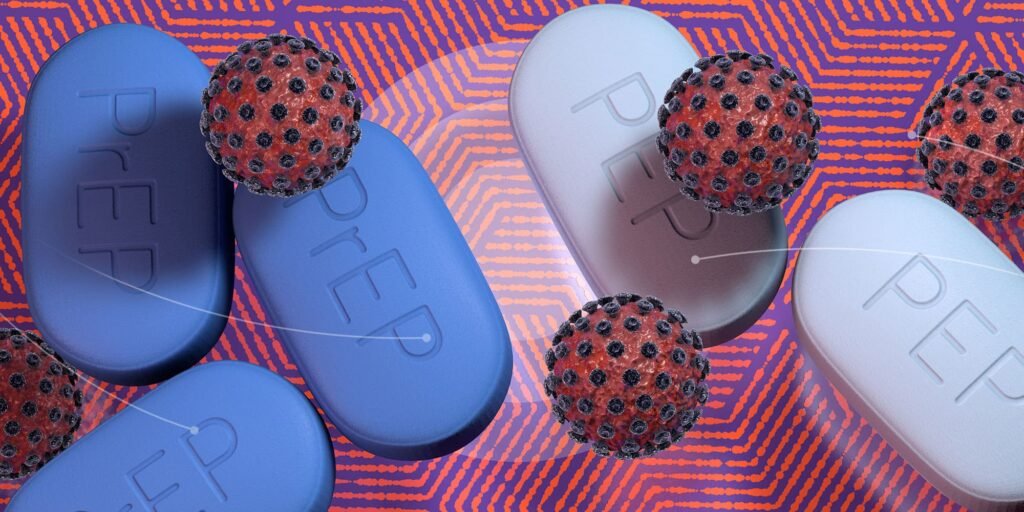
PEP, or Post-Exposure Prophylaxis
Is an HIV-prevention strategy using anti-retroviral medications to prevent acquiring HIV following a possible exposure.
If you think you’ve been exposed to HIV and are in need of PEP. Please contact your us for PEP evaluation and treatment. To be effective, PEP must begin within 72 hours of exposure and consists of 2–3 antiretroviral medications that must be taken for 28 days. An Infectious Disease physician must determine what treatment is appropriate based on the nature of the exposure. Starting PEP after a potential exposure does not guarantee that someone exposed to HIV will not acquire HIV; however, the sooner you begin PEP, the better. Every hour counts.
1. Online Consultation with an Infectious Disease Doctor
2. Easy At-Home Testing
3. PrEP Medication Delivered to Your Doorstep
Other Service
Here are our other services we serve as a professional and expert:
Appointments Scheduled at your convenience.
- Portable Infusion Pump Management
- Insurance and benefit Verification
- On Call Infectious Disease Physician
- Available 7 days a week
FAQs
Preventing HIV with PrEP
PrEP (Pre-Exposure Prophylaxis) is a medication taken by people who are HIV-negative to reduce their risk of HIV infection. When taken as prescribed, PrEP is highly effective at preventing HIV through sex.
PrEP is a key part of HIV prevention and is most effective when combined with other strategies like condom use and regular testing. It empowers individuals to take control of their sexual health and reduce their chances of contracting HIV.
PrEP is recommended for individuals who are HIV-negative and may be at increased risk for HIV, including:
- Sexually active people of all genders
- Cisgender men and women
- Transgender men* and women*
- Nonbinary individuals
- Pregnant individuals*
It’s also appropriate for anyone who asks for it and could benefit based on their lifestyle or risk level.
PrEP can be taken long-term with medical supervision and is available in two FDA-approved forms:
- A daily oral pill
- A long-acting injectable
*Note: Not all PrEP medications are approved for use in cisgender women or transgender men. Always consult a healthcare provider to find the best option for you.
While PrEP is a powerful HIV prevention tool, it’s important to understand its limitations:
- It does not protect against other sexually transmitted infections (STIs)
- It is not meant for emergency use — for that, PEP (Post-Exposure Prophylaxis) is available and must be started within 72 hours after potential HIV exposure
- It is not for people who are already living with HIV
When taken as prescribed, PrEP is about 99% effective at preventing HIV transmission through sex. This makes it one of the most powerful tools available for HIV prevention.
How does it compare to condoms?
While condoms are also important for reducing HIV risk and preventing other STIs, their effectiveness depends on consistent and correct use:
- Consistent condom use reduces the risk of HIV by:
- About 70% among men who have sex with men
- About 80% among heterosexual couples
- Inconsistent condom use is significantly less effective at preventing HIV.
Note: PrEP does not protect against other sexually transmitted infections (STIs), so using condoms alongside PrEP offers broader protection.
PrEP is for anyone who is HIV-negative and wants to lower their risk of getting HIV—regardless of gender, sexual orientation, or relationship status. It’s a safe and effective option for both adults and adolescents who are sexually active.
PrEP may be right for:
- Men, cisgender and transgender women, transgender men, nonbinary individuals*, and pregnant people*
- People of any sexual orientation or in any type of relationship
- Anyone who asks for PrEP, even if no specific risk factors are identified during a sexual health assessment
✅ Important: PrEP is not just for gay or bisexual men.
HIV can affect anyone.
Cost should not be a barrier to accessing PrEP. There are multiple programs and policies in place to help cover the cost of PrEP medications and related medical visits—whether or not a patient has insurance.
Support options include:
- Manufacturer assistance programs for insured and uninsured individuals
- Government programs such as:
- Medicare
- Medicaid
- U.S. Department of Veterans Affairs (VA)
- State and local PrEP assistance programs Co-pay assistance programs https://www.gileadadvancingaccess.com/help lower the costs of PrEP medications. Income is not a factor in eligibility.
- ViiVConnect https://www.viivconnect.com/offers a program to help pay for PrEP shots.
- Some states have PrEP assistance programs. https://nastad.org/prepcost-resources/prep-assistance-programsSome programs cover PrEP medication, while others cover clinic visits and lab tests. Some programs cover both.
- Patient advocacy organizations that offer financial navigation and support.
Under the Affordable Care Act (ACA):
Most insurance plans are required to cover PrEP medications and associated clinical services (like HIV testing and follow-up visits) with no out-of-pocket costs.
While both PrEP and PEP are used to prevent HIV, they serve different purposes and are used in different situations:
PrEP (Pre-Exposure Prophylaxis)
- Used before potential exposure to HIV
- Taken routinely (daily pill or periodic injection)
- Helps prevent HIV in people who may be at ongoing risk
- Ideal for sexually active individuals or those with possible ongoing exposure through sex or injection drug use
PEP (Post-Exposure Prophylaxis)
- Used after a possible exposure to HIV
- Must be started within 72 hours of the exposure
- Taken for 28 days
- Designed for emergency situations—such as after unprotected sex, condom failure, or sexual assault
Key difference: PrEP is ongoing prevention; PEP is short-term emergency treatment.
Are There FDA-Approved PrEP Medications?
Yes — there are FDA-approved PrEP options available both as a daily pill and as an injection.
Currently, three FDA-approved PrEP medications are available:
- Two oral options: Combination drugs in a single tablet, taken once daily.
- One injectable option: Administered every 2 months.
PrEP Safety and Interactions
PrEP is generally safe to take. Some people may experience mild side effects such as diarrhea, nausea, headache, fatigue, or stomach pain. These symptoms typically go away over time. If you experience severe side effects or symptoms that do not resolve, consult your healthcare provider.
PrEP and Birth Control
PrEP can be safely used alongside hormone-based birth control methods, including the pill, patch, ring, shot, implant, and IUD. There are no known interactions between PrEP and these contraceptives.
PrEP and Hormone Therapy
There are no known drug interactions between PrEP and hormone therapy. It is safe to use both treatments at the same time.
Deciding if PrEP Is Right for You
PrEP can help protect you from HIV if you are HIV-negative and any of the following apply:
Sexual Activity
- You’ve had anal or vaginal sex in the past 6 months and:
- Have a sexual partner with HIV (especially if their viral load is unknown or detectable),
- Don’t always use condoms, or
- Have been diagnosed with an STI in the past 6 months.
Injection Drug Use
- You inject drugs and:
- Share needles, syringes, or other injection equipment, or
- Have an injection partner with HIV.
Previous PEP Use
- You’ve been prescribed PEP (post-exposure prophylaxis) and:
- Continue to engage in behaviors that put you at risk, or
- Have used PEP multiple times.
On-Demand PrEP (2-1-1 Schedule)
Some people choose to take PrEP pills only when they’re at higher risk of exposure to HIV. This method is known as "on-demand" PrEP, also called intermittent, non-daily, event-driven, or off-label PrEP use.
The most studied on-demand method is called the "2-1-1" schedule:
- Take 2 pills 2 to 24 hours before sex.
- Take 1 pill 24 hours after the first dose.
- Take 1 more pill 24 hours after the second dose.
What We Know:
- Scientific studies show that the 2-1-1 schedule provides effective protection for gay and bisexual men when having anal sex without a condom.
- There is not enough evidence on how well this method works for heterosexual men and women, people who inject drugs, or transgender individuals.
Some health departments in the U.S., and organizations in Europe and Canada, offer guidance on using on-demand PrEP as an alternative to daily dosing for gay and bisexual men.
Important: While the latest PrEP guidelines explain how to use the 2-1-1 method, this approach is not FDA-approved and is not recommended by the CDC. The only FDA-approved way to take PrEP is as prescribed daily for HIV prevention.
HIV Prevention- Key Points About Post-Exposure Prophylaxis (PEP)
- PEP is a short, 28-day course of HIV medication taken after a possible exposure to help prevent HIV infection.
- PEP must be started within 72 hours of potential exposure — the sooner, the better. Every hour counts.
- While PEP can effectively reduce the risk of HIV when taken correctly, it is meant for emergency situations only. It is not a substitute for regular prevention methods like pre-exposure prophylaxis (PrEP).
PEP stands for post-exposure prophylaxis. "Prophylaxis" means preventing the spread of infection. PEP uses HIV medications to prevent infection within 72 hours (3 days) after a possible exposure to HIV.
PEP is meant for emergency use only and is not intended for people with frequent HIV exposure. It does not replace other prevention methods like condoms or pre-exposure prophylaxis (PrEP).
PrEP vs. PEP:
- PrEP is taken daily or as an injection every 2 months to prevent HIV before exposure.
PEP is taken after a potential exposure.
PEP may be prescribed for people who do not have HIV or are unsure of their status and, within the last 72 hours, have:
- Had possible exposure during sex
- Shared needles or drug injection equipment
- Experienced sexual assault
- Had potential exposure at work (e.g., healthcare workers)
If you think you were exposed to HIV, talk to a healthcare provider or go to an emergency room immediately.
While PrEP is a powerful HIV prevention tool, it’s important to understand its limitations:
- It does not protect against other sexually transmitted infections (STIs)
- It is not meant for emergency use — for that, PEP (Post-Exposure Prophylaxis) is available and must be started within 72 hours after potential HIV exposure
- It is not for people who are already living with HIV
PEP must begin within 72 hours (3 days) after potential exposure. The sooner you start, the better — every hour counts.
- PEP is taken daily for 28 days.
- It is unlikely to work if started after 72 hours.
There are specific guidelines based on age, pregnancy, kidney health, and more.
Your provider will help choose the right combination of medications for you.
Cost should not be a barrier to accessing PrEP. There are multiple programs and policies in place to help cover the cost of PrEP medications and related medical visits—whether or not a patient has insurance.
Support options include:
- Manufacturer assistance programs for insured and uninsured individuals
- Government programs such as:
- Medicare
- Medicaid
- U.S. Department of Veterans Affairs (VA)
- State and local PrEP assistance programs Co-pay assistance programs https://www.gileadadvancingaccess.com/help lower the costs of PrEP medications. Income is not a factor in eligibility.
- ViiVConnect https://www.viivconnect.com/offers a program to help pay for PrEP shots.
- Some states have PrEP assistance programs. https://nastad.org/prepcost-resources/prep-assistance-programsSome programs cover PrEP medication, while others cover clinic visits and lab tests. Some programs cover both.
Patient advocacy organizations that offer financial navigation and support.
- PEP can reduce the risk of HIV by over 80% when taken correctly.
- Effectiveness is highest when:
- Started quickly
- Taken daily for 28 days
- No further HIV exposures occur during treatment
Remember: PEP does not protect against other STIs. Using condoms and sterile injection equipment remains important.
Most people tolerate PEP well, but some may experience mild side effects:
- Diarrhea
- Nausea
- Tiredness
- Headache
Serious side effects (like liver problems) are rare but possible.
Talk to your healthcare provider if side effects bother you or don’t go away.
- If your HIV test is negative, consider ongoing prevention like PrEP and consistent condom use.
- If you test positive, follow up with your provider for additional testing and start HIV treatment right away.