
Introduction
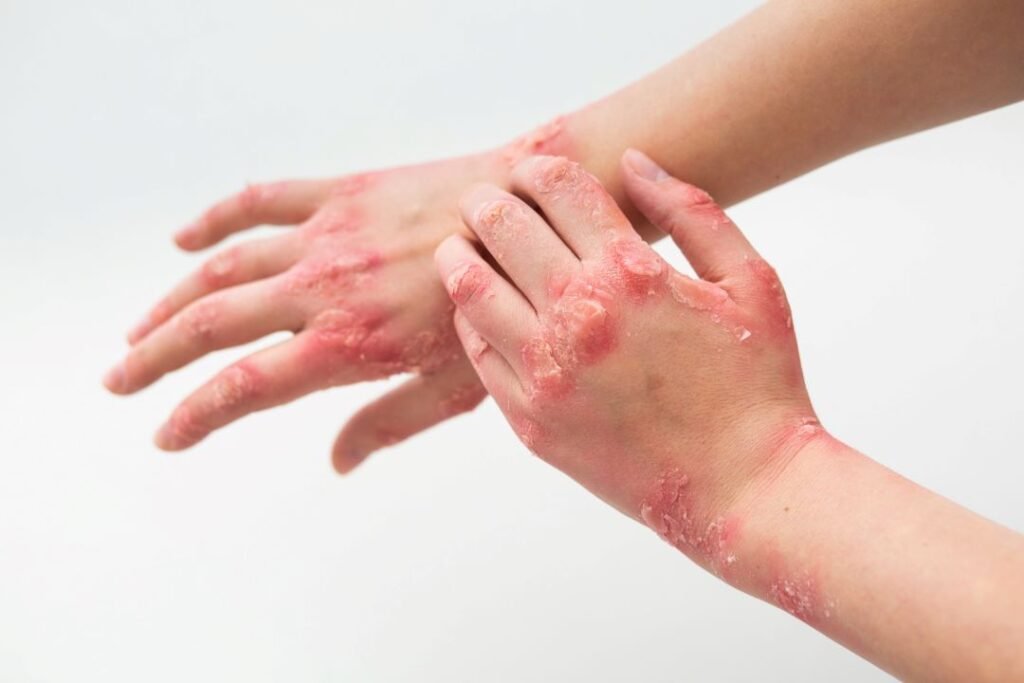
Florida’s hot, humid climate makes it one of the most fungus-friendly environments in the United States. Fungal infections — ranging from superficial skin conditions to serious systemic diseases — are more common here than in most other states. Yet many patients delay seeking fungal infection treatment in Fort Myers because they assume the problem will resolve on its own.
The short answer to the title question is this: it depends entirely on the type and location of the infection. Some resolve within weeks with over-the-counter treatment; others never resolve without prescription antifungal therapy — and can become life-threatening without it. This guide will help you understand the difference.
Types of Fungal Infections Common in Southwest Florida
Superficial Fungal Infections
Superficial fungal infections affect the skin, nails, and mucous membranes. They include:
- Athlete’s foot (tinea pedis) — affects the skin between the toes
- Ringworm (tinea corporis) — a ring-shaped rash on the body or scalp
- Nail fungus (onychomycosis) — discoloration and thickening of toenails or fingernails
- Vaginal yeast infections (candidiasis) — caused by Candida overgrowth
- Oral thrush — white patches in the mouth, common in immunocompromised patients
These infections are rarely dangerous in otherwise healthy people, but they are persistent and contagious. Florida’s heat and humidity create ideal conditions for them to thrive and spread.
Systemic Fungal Infections
Systemic fungal infections are far more serious and affect internal organs. Two are particularly relevant to Florida residents:
- Histoplasmosis — caused by inhaling spores from contaminated soil; common in people who work with soil or bird droppings
- Coccidioidomycosis (Valley Fever) — increasingly reported in Florida; caused by soil-dwelling fungi
Additionally, Cryptococcal meningitis — a fungal infection of the brain lining — is a serious concern for immunocompromised patients including those with advanced HIV.
How Long Does a Fungal Infection Last Without Treatment?
This question has very different answers depending on the type of infection:
- Athlete’s foot: May persist indefinitely without treatment. Spreads to nails over time.
- Ringworm: Can last weeks to months and spreads through skin contact without treatment.
- Nail fungus: Almost never resolves without antifungal medication. Can persist for years.
- Vaginal yeast infection: May occasionally resolve without treatment, but often recurs.
- Histoplasmosis: In healthy people, mild cases may resolve; in immunocompromised patients, can become fatal without treatment.
- Cryptococcal meningitis: Life-threatening without treatment — median survival without therapy is weeks.
The bottom line: no fungal infection should be left untreated indefinitely. Even superficial infections spread, worsen, and become significantly harder to treat the longer they go unaddressed.
Recognizing Symptoms That Require a Specialist
You should see an infectious disease specialist — not just a general practitioner — for fungal infections if you experience:
- A fungal infection that has not responded to over-the-counter antifungal creams or oral medications
- Recurring fungal infections in the same location
- Fever, cough, or chest pain alongside a rash (possible systemic fungal infection)
- Severe headache with stiff neck (possible fungal meningitis — seek emergency care immediately)
- You are immunocompromised and develop any new or unusual symptoms
Our general infectious disease team at Florida Infectious Disease Care evaluates and treats the full spectrum of fungal infections, from persistent skin conditions to complex systemic disease.
Antifungal Treatment Options
Antifungal treatment varies significantly based on the type and severity of infection:
- Topical antifungals (clotrimazole, miconazole) — for mild superficial skin infections
- Oral antifungals (fluconazole, itraconazole, terbinafine) — for nail infections, recurrent yeast, and moderate systemic disease
- IV antifungals (amphotericin B, micafungin, voriconazole) — for serious systemic infections requiring hospital-level care
Duration of treatment matters enormously. Nail fungus may require 3 to 6 months of oral antifungal therapy. Systemic infections like histoplasmosis may require 12 months or more. Stopping treatment early is one of the most common reasons fungal infections return.
For patients requiring IV antifungal therapy, our outpatient infusion services offer a comfortable alternative to prolonged hospitalization.
Why Immunocompromised Patients Face Greater Risk
For patients with HIV, cancer, or other conditions affecting immune function, fungal infections are far more dangerous. Fungi that are harmless to a healthy immune system — such as Cryptococcus or Aspergillus — can cause fatal disease in immunocompromised individuals.
Early testing, aggressive treatment, and specialist oversight are essential for this patient population. According to the WHO, fungal diseases cause approximately 1.5 million deaths globally each year — the vast majority in immunocompromised patients.
Frequently Asked Questions
Q: Can I treat a fungal infection with over-the-counter products?
For mild superficial infections such as athlete’s foot or mild vaginal yeast infections, over-the-counter antifungals are often the right first step. However, if symptoms do not improve within 1 to 2 weeks, or if the infection recurs, a prescription-strength antifungal and professional evaluation are necessary.
Q: Are fungal infections contagious?
Yes. Most superficial fungal infections spread through direct skin contact or contact with contaminated surfaces. Athlete’s foot, ringworm, and nail fungus can all spread within households. Avoiding shared towels, footwear, and maintaining good hygiene significantly reduces transmission risk.
Q: Can a fungal infection enter the bloodstream?
Yes — though this is far more common in immunocompromised patients. Invasive candidiasis, for example, involves Candida entering the bloodstream and affecting internal organs. This is a medical emergency requiring IV antifungal therapy and intensive monitoring.
Q: How do I know if my respiratory illness is a fungal infection?
Fungal respiratory infections such as histoplasmosis often mimic bacterial pneumonia or influenza, with fever, cough, and fatigue. A key clue is recent exposure to contaminated soil or bird droppings, or failure to improve with standard antibacterial antibiotics. Specialized blood tests and imaging are needed to confirm the diagnosis.
Ready to Take the Next Step?
At Florida Infectious Disease Care in Fort Myers, our board-certified specialists provide confidential, compassionate, and expert care for every patient. Whether you have questions or are ready to book, we are here for you. Call us at 239-245-8223 or visit us at 14192 Metropolis Ave, Fort Myers, FL 33912.
Schedule your appointment online at floridaidcare.com/make-an-appointment or find us on Google Maps. You deserve expert care — and we are ready when you are.
